
07
Nov
Category Archives: Uncategorized

06
Nov

06
Nov
06
Nov
http://www.mahakobees.com
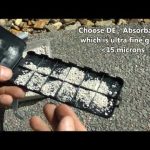
BEE SAFE Small Hive Beetle trap review Diatomaceous Earth Physical Insecticide
NEW BEEKEEPING VIDEO. Review of a BEE SAFE Diatomaceous Earth Small Hive Beetle trap, which is a bee safe non-toxic Physical Insecticide. Especially the super fine Absorbacide – http://amzn.to/10YbxVA – ultra fine dust less than 15 microns in size – which acts like razor blades to the small hive beetles outer casing. Once the hive beetles outer wax coating is compromised, it dries out and dies quickly. As it is a physical insecticide, the beetles will not build up a resistance to it. Diatamaceous Earth DE is a relatively safe insecticide to use for the control of the little pest hive beetles, however, in larger amounts, it can also kill your bees. So use it wisely and carefully. Still, the crystalline silica shards are non toxic, which to us is a whole lot more acceptable for use in our apiary than their chemical based counter parts. DE does not present any health hazards and has been approved by CSIRO for organic food producers. Other alternatives include oil based traps, such as the AJ Beetle Eater, or Beetle Blaster http://amzn.to/10YbCJ0, trap or similar under hive IPK Screened Bottom Board & Small Hive Beetle Traps http://amzn.to/1y8lMAI that also work well. These contain vinegar and oil in a dark plastic trap which has small openings on the top and as the bees chase the beetles around the hive, the beetle enters the trap and can no longer escape. Fantastic traps, but a little too messy. Oil often spills throughout the hive, and need to be replaced, emptied or replaced. Not the most pleasant task a beekeeper has to do during a hive inspection. So, we are trialing this neat version of Diatamaceous Earth Small Hive Beetle Trap. Costs around a dollar per unit, is reusable, kills beetles over a long period of time if kept DE remains dry, is bee friendly and easy to handle even when propolized by the bees. Beekeepers can prepare the traps away from the beehive, and simply place them on top of their frames under the top cover for easy access and manipulation.
There are many great ways beekeepers deal with hive beetles and their control methods will vary widely. Similar traps can be homemade using a CD cover, a politicians sign, or any other similarly shaped containers. Let us know in the comments section below what methods you may have used or continue to use, especially if they work well. We’d love to hear from you!
Hope you can join us next time, and please subscribe, share and/or give us thumbs up if you have found our videos useful. We and the bees very much appreciate your support.
MahakoBees
•eSTORE: http://www.mahakobees.com/store.html
•Blog: http://mahakobees.com/blog
•Blog kids: http://beekeepingwithkids.blogspot.com.au/
•Youtube: https://www.youtube.com/user/mahakobees
•Google+: https://plus.google.com/+MahakoBees
•Facebook: https://www.facebook.com/mahakobees.mahakobees
•Pinterest: http://www.pinterest.com/mahakobees/
•Twitter: https://twitter.com/mahakobees
•Flickr: https://www.flickr.com/photos/125372235@N04/
•Reddit: http://www.reddit.com/user/MahakoBees/
(Source: https://www.youtube.com/)
06
Nov


05
Nov

05
Nov


05
Nov

04
Nov
CLOSEUP of Honeybee QUEEN EGGS and BEE LARVAE. Beekeeping 101
Take a closeup look at honey bee queen eggs and bee larvae. It is very important as a beekeeper to know what these bee eggs and larvae look like when doing a hive inspection in your apiary. If you can see these tiny eggs, it is usually a good indication that a healthy laying queen is present and is doing her job. A bee colony must have a healthy, fertile and productive queen bee to survive. However, it is often difficult to find the honey bee queen herself, and the presence of freshly laid eggs tells you she is there, and she is laying.
For more advanced beekeepers, the density of the eggs, placement of them in the cell itself and more can provide further information about what the bees are up to. At times, there may be no queen at all, and a few honey bees will start laying unfertilised eggs themselves. Why is unknown, at least to the best of our knowledge. Please feel free to shed light ion comments below if you are better informed about this bee behavior. As the bees are not fertilized, only drones are produced, further expediting the demise of a dying colony. If this is the situation, there are certain steps a beekeeper must take, and very swiftly at that, if he/she is to save the colony. Certainly do not purchase and introduce a new queen at this stage, as the laying worker bees will most likely gang up on her and kill her. This is very interesting and may be a topic for another video in the future.
In the meantime, if you are a new visitor, feel welcome to look around our channel, share some our most interesting videos listed in our NEW PLAYLIST: https://www.youtube.com/watch?v=6-2E76XaDYk
We appreciate all thumbs up, and please subscribe if we add value to your life. We will be uploading many more useful clips on things related to beekeeping that will be interesting and educational.
Visit our website/channel for many more videos.
Have a fabulous day!
(Source: https://www.youtube.com/)
04
Nov


